

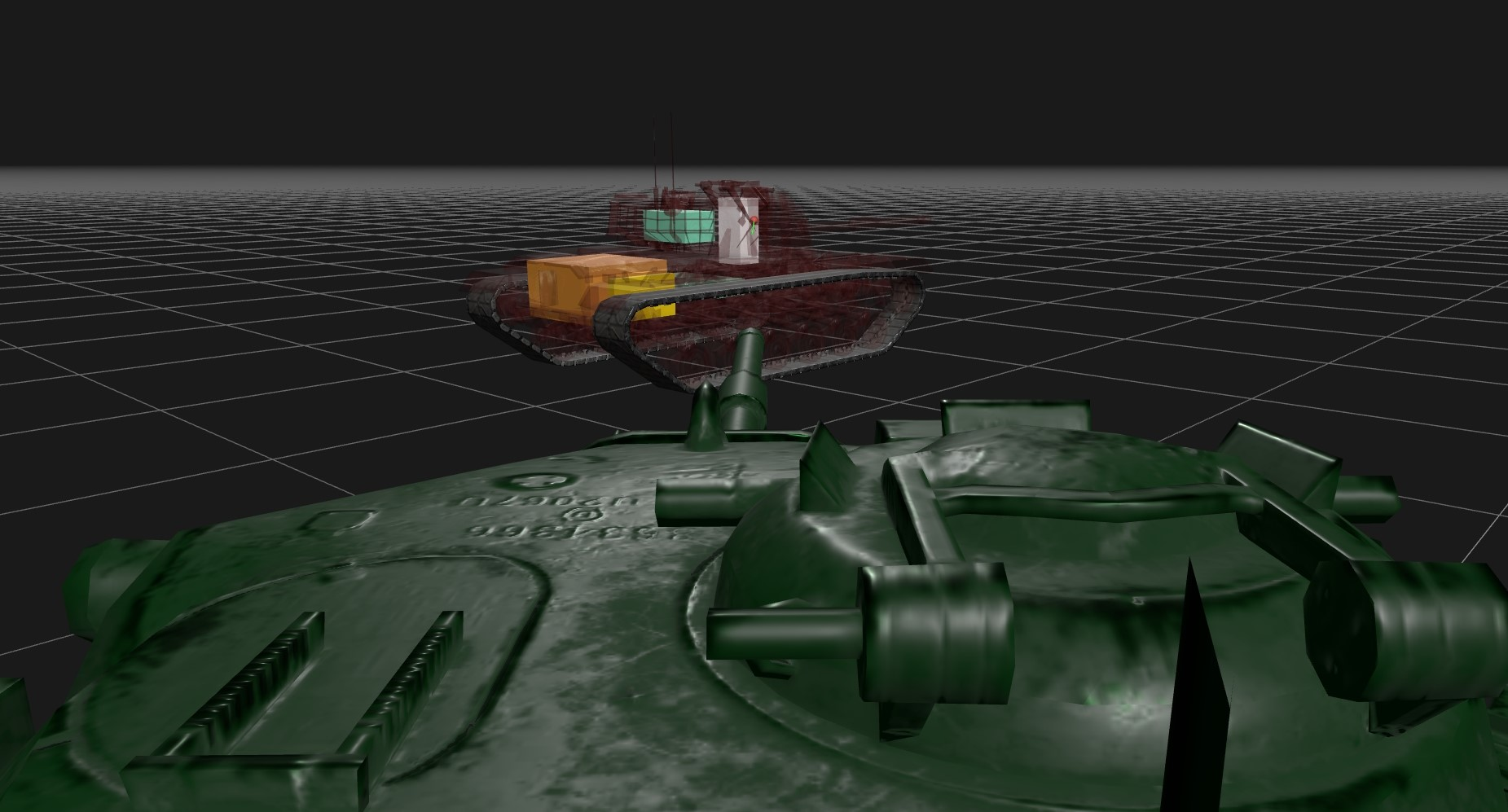
M60 firing on enemy M60 in the model viewer
Introduction
In World of Tanks: Heat, there are several shells available. The most common shells are AP or Armor Piercing. However, the game also includes HE (High Explosive), APHE (Armor Piercing High Explosive), HEAT (High Explosive Anti-Tank), Canister and automatic variants of AP and APHE.
1. Shell Types
Each of shell behaves differently after penetrating a tank. The most obvious indicator of this is the various crit modifiers of the shells. This is the amount that the applied damage is multiplied by when critically hitting a module. These multipliers vary from shell to shell, as can be seen in the table below.
2. Crit Modifier Table
Every shell has a fuel crit multiplier, engine crit multiplier, and ammo crit multiplier. Canister shell types have a 1x crit multiplier for all modules meaning they cannot crit. The formula for calculating your damage is [INSERT FORMULA HERE].
| Shell | Fuel Crit Multiplier | Engine Crit Multiplier | Ammo Crit Multiplier |
|---|---|---|---|
| AP & Auto AP | 1.25 | 1.4 | 1.7 |
| HEAT | 1.38 | 1.5 | 2.4 |
| HE | 1.19 | 1.3 | 1.53 |
| APHE & Auto APHE | 1.15 | 1.24 | 1.42 |
| Canister | 1 | 1 | 1 |
3. Shell Rays
Each shell has a very different interactions with the modules inside the tank that they hit. When a shell hits a tank, rays are drawn from the point of impact that extend into the interior of the tank, as seen in the images below. If these rays intersect one or more modules, the closest module is affected.
3.1 Shell Ray Example
Several factors can impact shell rays. These include but are not limited to ray length, ray angle,ray count, etc.
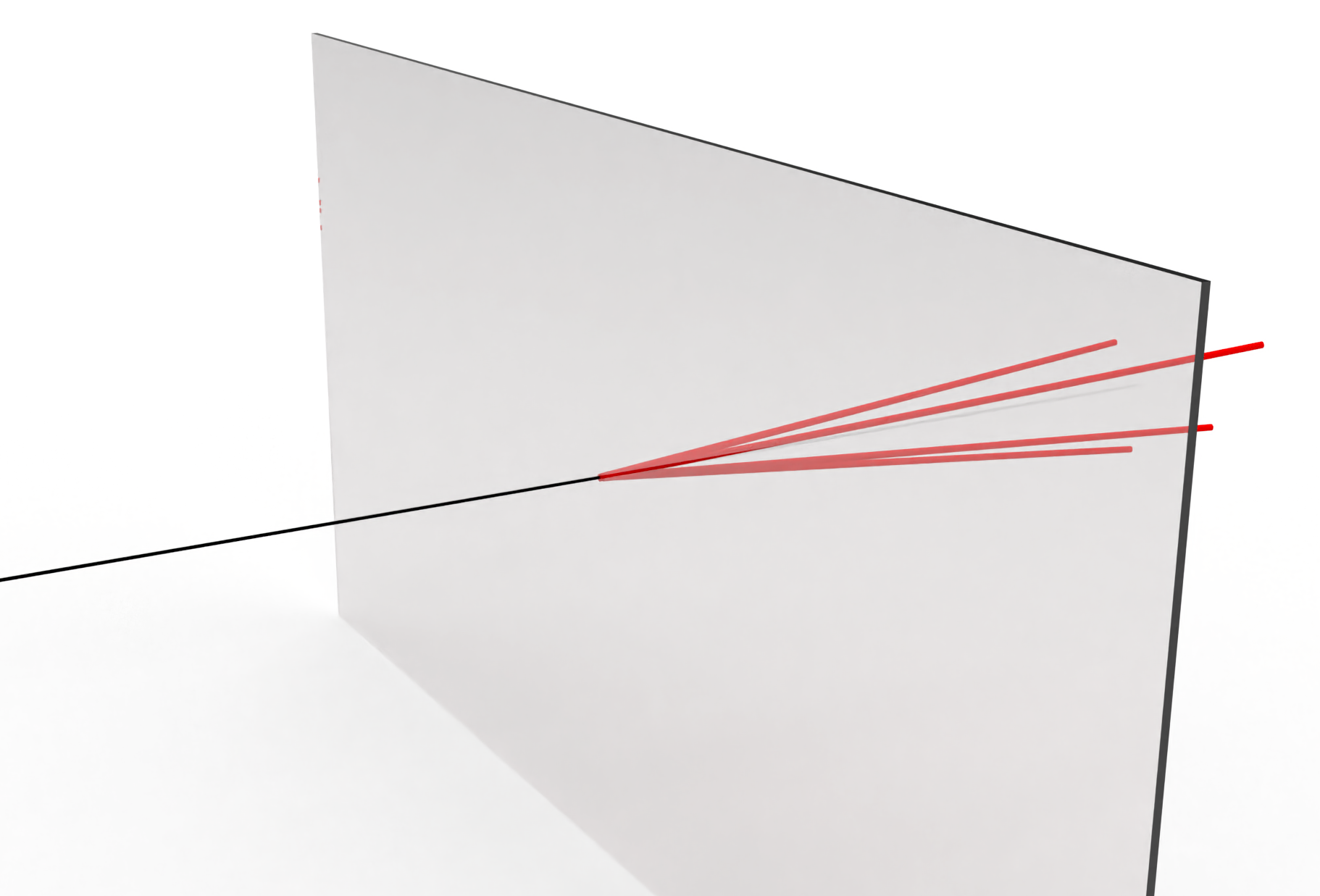
Shell path compared to its ray(s)
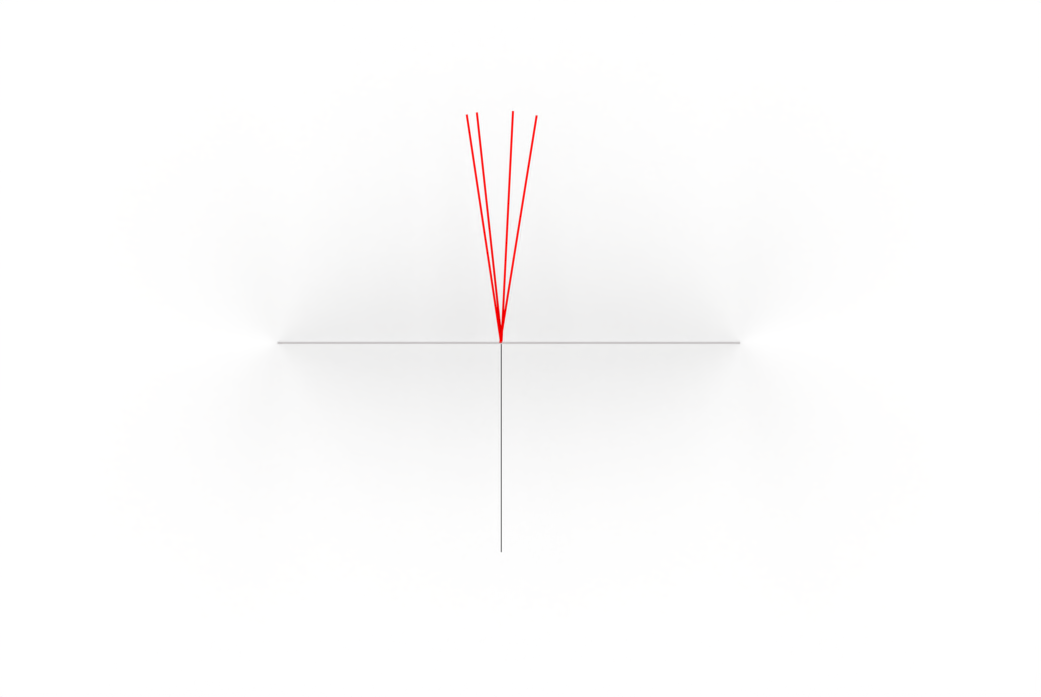
Shell path compared to its ray(s): Viewed from Above
3.2 Crit Cone Examples
Each shell has a maximum angle and length of the rays it projects, so the easiest way to portray this information is by making a “crit cone” or a cone that shows all the possible ray locations for a given shell type. This can give a pretty good idea of the crit behavior of a shell. If a module is in the crit cone, it will likely be critted. The following images show the crit cones of all the various shells in the game overlaid on a placeholder model of the M60A1. The canister shell type has a maximum ray length of 0 meters and crit multipliers of 1 for all modules, so it is not shown as it cannot crit.
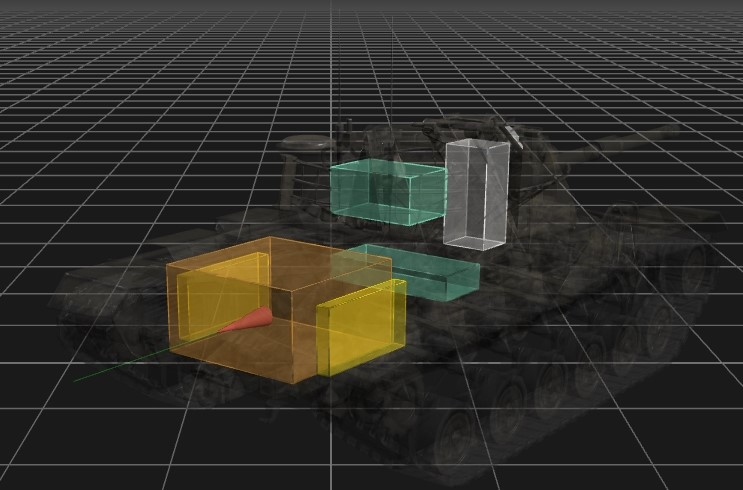
AP
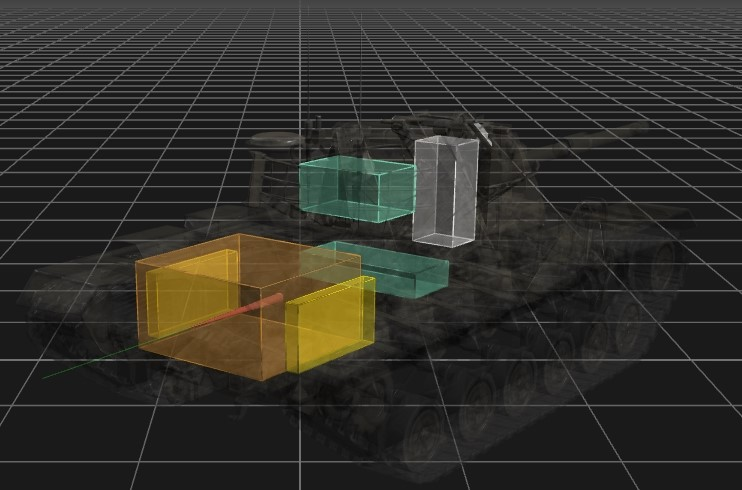
HEAT
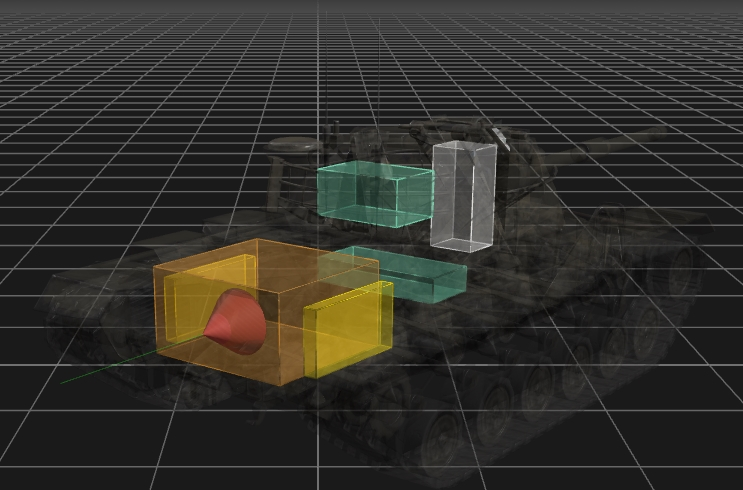
APHE
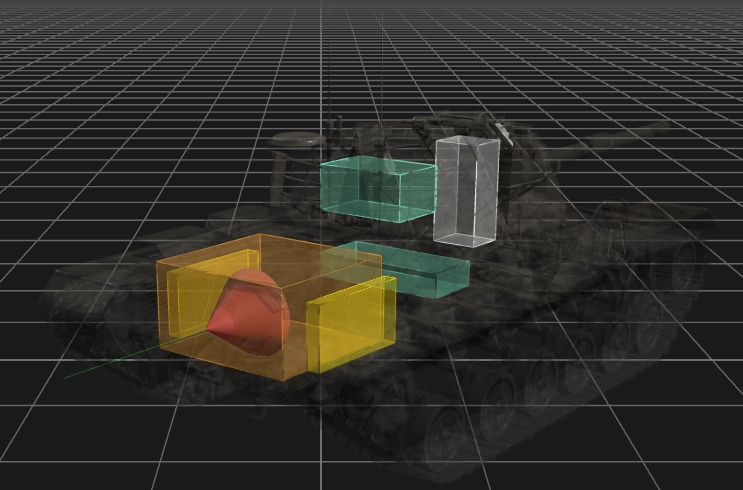
HE
Conclusion
Key Takeaways:
- Shells have different crit modifiers
- Canister Shells cannot crit
- Shells cast damage rays, visualized as a "crit cone"
- Only one module can be affected by a single shell
Disclaimer
This guide was written and submitted to HEAT Labs by a community member and was published with minimal editorial changes limited to grammar and formatting where necessary. HEAT Labs and its developers are not responsible for the accuracy, currency, or legality of the content presented. Any outdated information, breaches of non-disclosure agreements (NDAs), or leaks are the sole responsibility of the author.
Authors may request to update their guide with revised content, archive it and discontinue future updates, or permanently remove it along with all associated content (images, videos, charts, graphics) from the website.

Tmc_388
Community Member